Forgotten Island | Review
I hate change. Anyone who knows me knows this about me. When my friend group and I were graduating high school, I hoped things would stay the same. But we all went to different colleges and created new friend groups. When my best friend in college moved halfway across the country, I crashed out, feeling left behind. Close relationships typically come with traditions you do together—whether it’s a weekly trip to the movies or a daily Wordle group chat—but life happens, things ultimately change, and traditions fade away. Until they become a memory.
Maybe that’s also why I have a soft spot for stories about friendship—about platonic love. Leslie Knope and Ann Perkins from Parks and Recreation. Troy and Abed from Community. The novel “Tomorrow, and Tomorrow, and Tomorrow” by Gabrielle Zevin. The TV adaptation of Emily St. John Mandel’s “Station Eleven.” Friendships are some of the most beautiful parts of life because it’s people choosing to be in each other’s lives without the promise of anything in return. Which is why, when I learned Forgotten Island, the latest offering from DreamWorks Animation, would center around two lifelong best friends, memories, and nostalgia, I knew it was absolutely my shit.
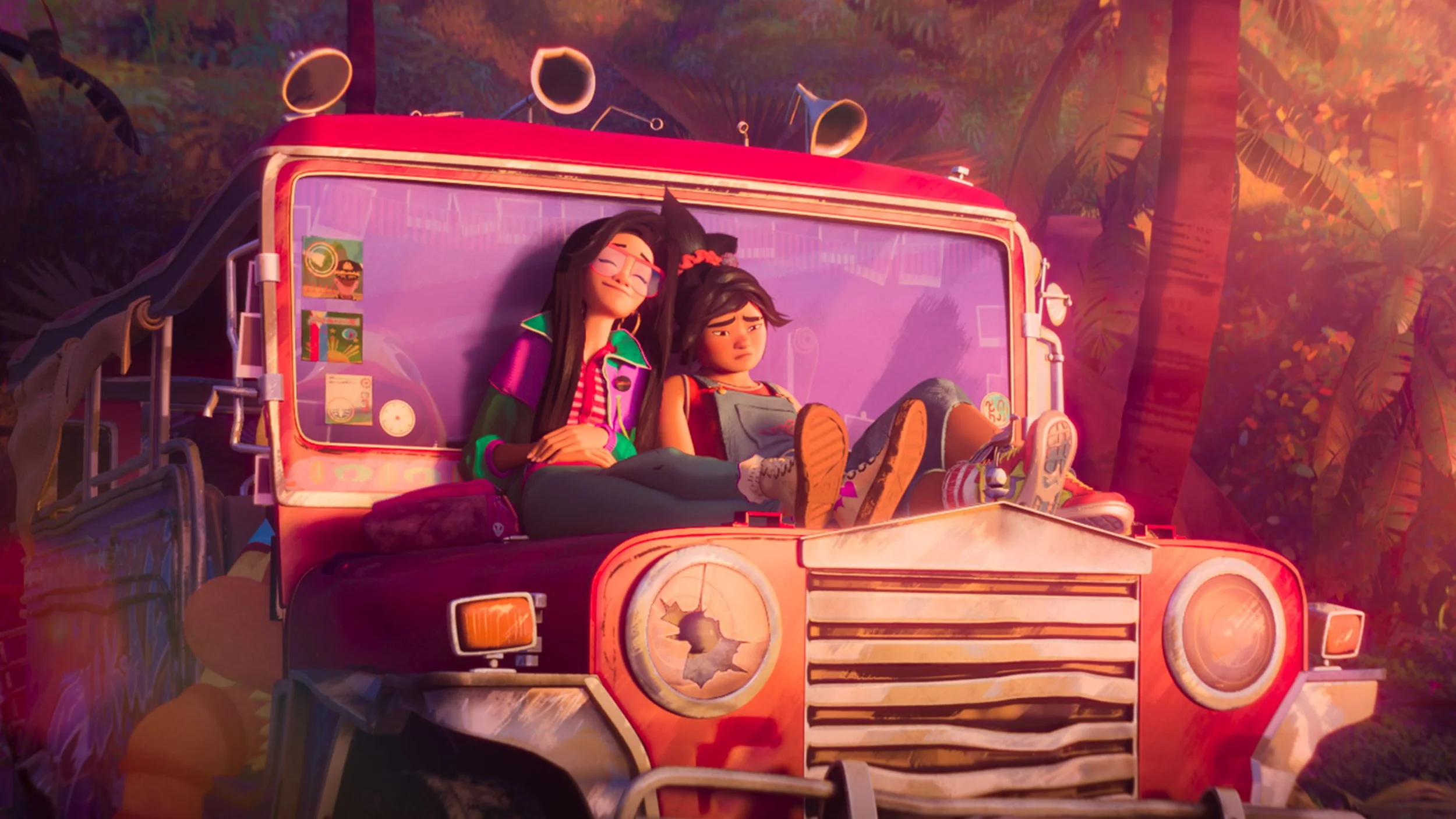
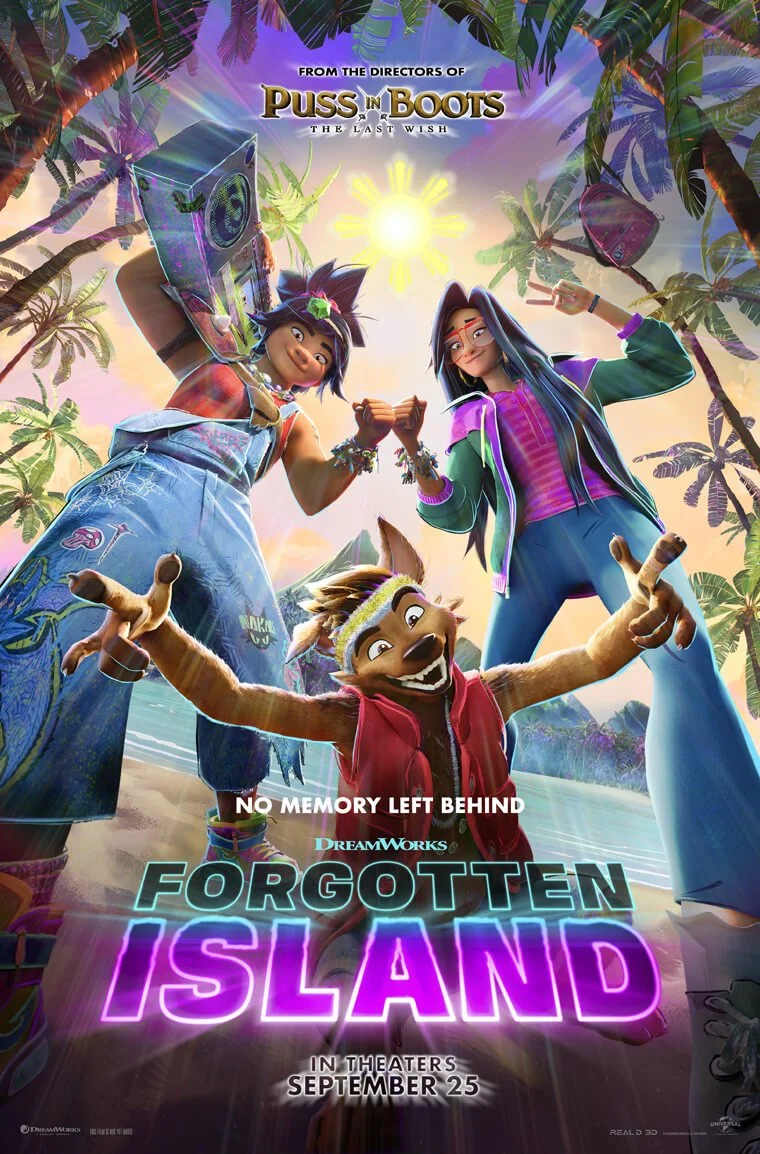
It’s the early 2000s, and best friends Josephine “Jo” Yuson (voiced by H.E.R.) and Raissa Molina (Liza Soberano) have just graduated from their high school in the Philippines. Jo, the more rambunctious of the two, is content with her simple life, moving from job to job, having fun, and making new memories with her bestie. The high-strung, privileged Raissa has higher expectations placed upon her by her parents. When Raissa breaks the news to Jo that she’s going to attend college in America, Jo’s heartbroken. But on their final night together, the two are suddenly sucked into a portal that takes them to the mystical island of Nakali.
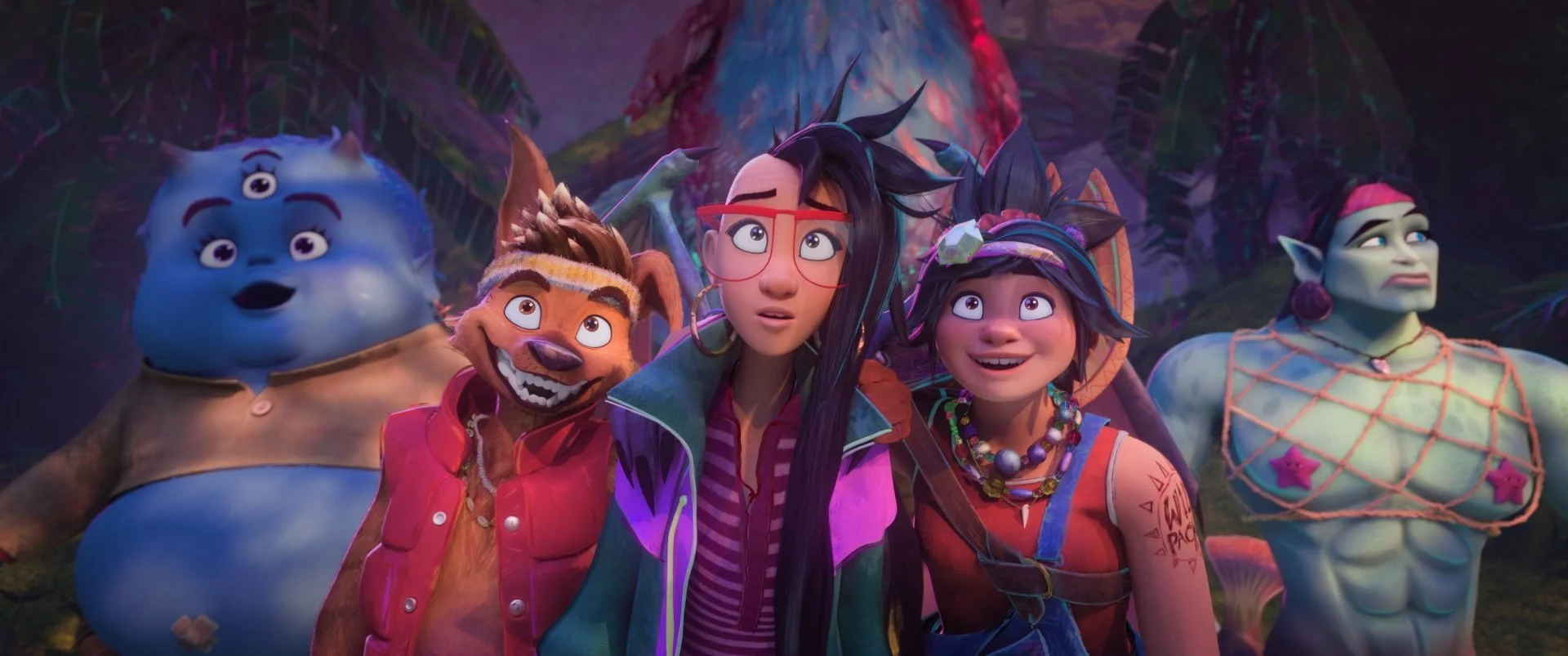
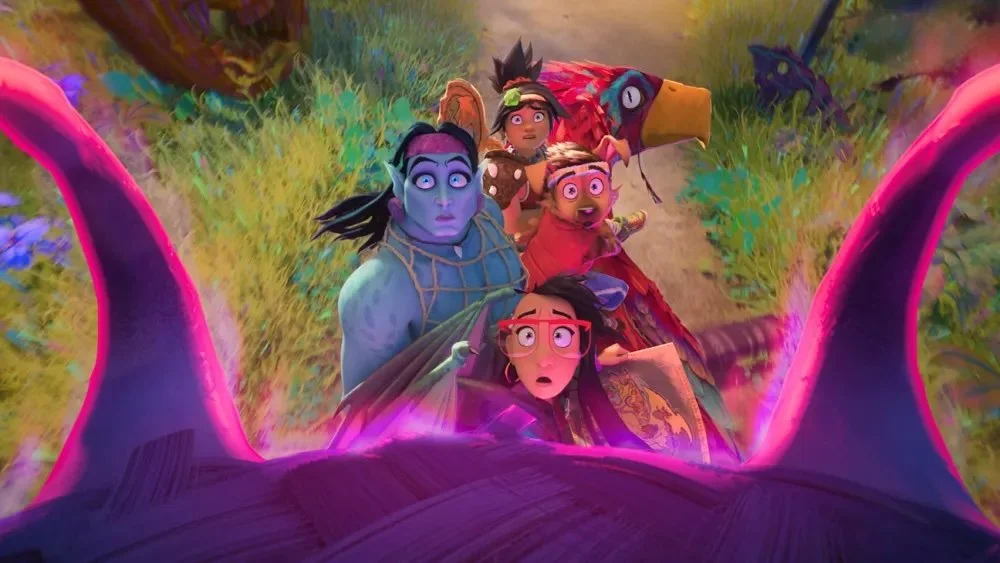
Jo and Raissa awaken 12 hours later on a Nakali beach with no memory of what transpired the night before. To restore their memories and get back home, they must retrace their steps, meeting (or re-meeting) fantastical new friends and enemies along the way (all inspired by Filipino folklore), including weredogs, dwarves, mermaids, giants, and memory-stealing demons. But the journey home tests Jo and Raissa’s friendship—and risks losing all the memories they’ve shared together.
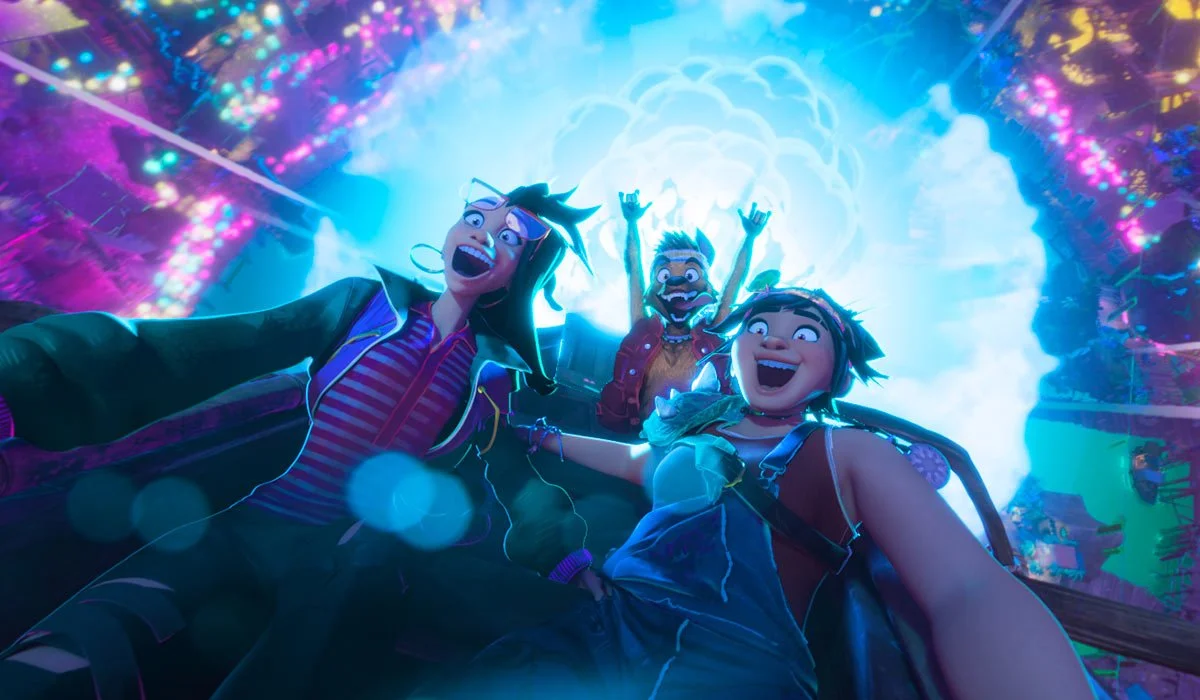
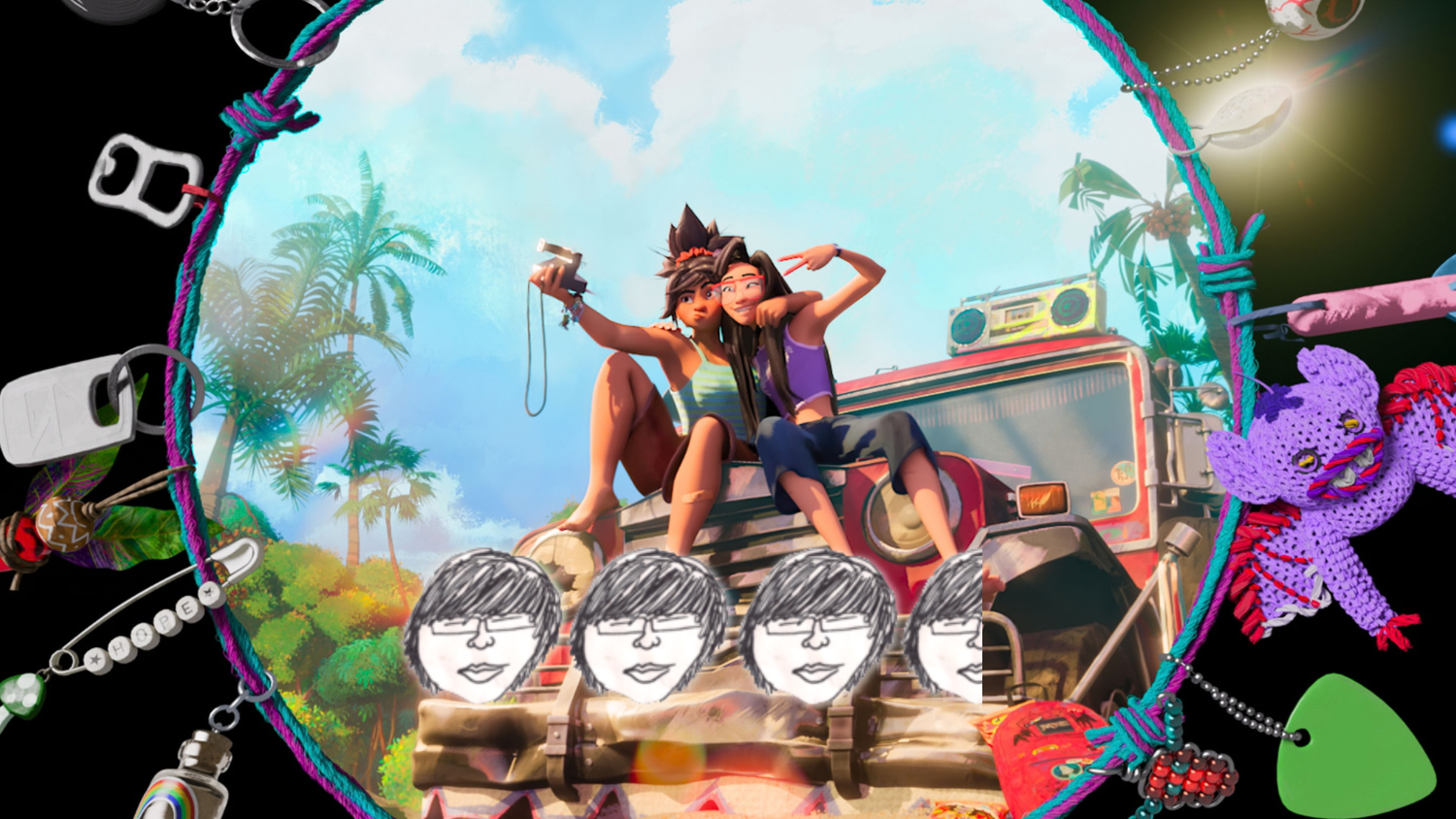
Part The Hangover, part Eternal Sunshine of the Spotless Mind, with a dash of Moana towards the end (you’ll know it when you see it), Forgotten Island is one of DreamWorks’s best films. Like Puss in Boots: The Last Wish and The Wild Robot—two of the best offerings from the studio in a post-Spider-Verse world—Forgotten Island ditches the studio’s house style in favor of a hybrid of 3D graphics and 2D effects, but with bold, vibrant aesthetics drawn from Filipino art and 1990s graphic design (which aids the film’s nostalgic vibes). This unique animation design complements the film’s kinetic energy that makes the story feel like it’s moving at lightspeed. (My friend called the movie “overstimulating but fun.”) But it works because this frenzied energy matches the film’s hilarity. I never thought I’d see the day when both DreamWorks and Pixar are competing to have the funniest animated film of the year.
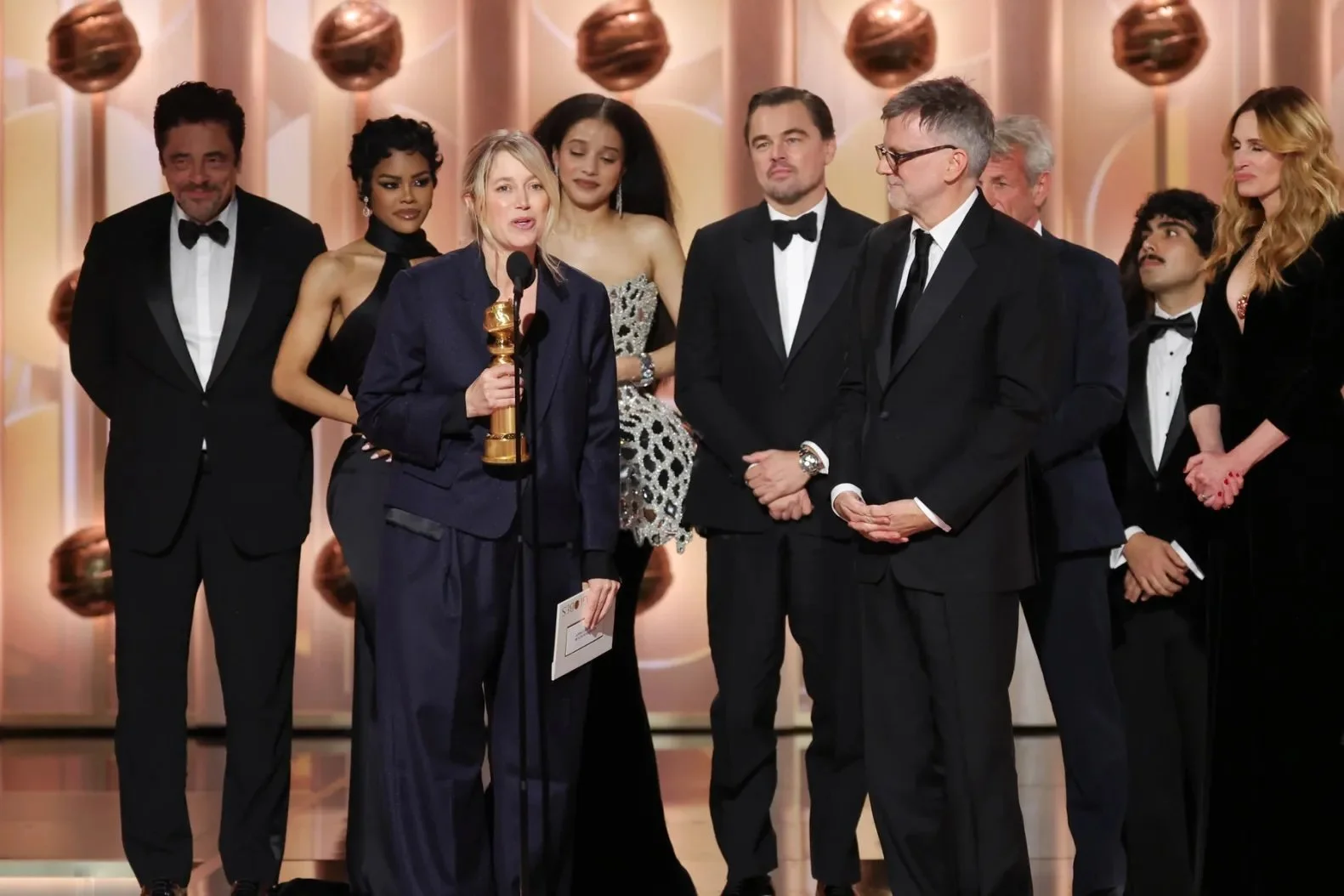
Forgotten Island is written and directed by Joel Crawford and Januel Mercado (Puss in Boots: The Last Wish). The two were inspired by their own friendship of nearly two decades, while also drawing from their personal connections to Filipino culture. (Mercado is Filipino American, Crawford’s childhood best friends were a Filipino family, and Crawford’s wife and children are Filipino.) The cast is composed of Filipino and Filipino American stars (H.E.R., Soberano, Manny Jacinto, Lea Salonga, Dolly de Leon, Jo Koy). (PSA to Disney: this is how it’s done, not by casting predominantly East Asians in a film highlighting Southeast Asian cultures.) The film is backed by a score from Filipino American composer Nathan Matthew David (who once supported Oscar-winner Ludwig Göransson in composing music for Community!) featuring Filipino and Indigenous influences, and a soundtrack that includes an eclectic mix of Filipino artists that includes BINI, SB19, Ruby Ibarra, Carl Angelo, P-Lo, Guapdad 4000, and Katseye’s Sophia Laforteza. And Filipino animators helped bring this to life; Philippines-based Snipple Animation Studios animated the film’s 2D, anime-inspired flashback sequences. Forgotten Island is a celebration of Filipino culture.
It’s also a love letter to the women in the filmmakers’ lives. “I want my daughters to see themselves up on the screen,” Crawford says, “whether it’s in terms of culture, in terms of ethnicity, but also how they are as people.” That Jo and Raissa are just regular girls and not princesses, that they never fight over a boy—that there’s no love interest at all—is a breath of fresh air for an animated film with two female leads. Jo and Raissa are simply two friends who love and care for each other. They make sense together despite their personality differences because they help bring out the best in one another: Jo inspires Raissa to be bold and break the rules, Raissa helps Jo feel less alone and free to live honestly and creatively.
While their journey through Nakali tests Jo and Raissa’s friendship, their relationship is embodied in the characters they meet along the way. Raww, the weredog (Dave Franco), shifts uncontrollably between full-dog and part-dog forms, particularly when there are sticks around, showing the harm that can be done when you follow your worst instincts. Bungi, the 200-year-old baby demon voiced by Manny Jacinto, is literally an infant umbilical cord attached and all, symbolizing co-dependency and immaturity. Prince Mermahn, the merman (Kevin McCann), is handsome and obsesses over how others view him, representing the fear of a superficial friendship. Batiba, the tree-dwelling demon voiced by Jenny Slate (who deserves an Oscar nom for her impeccable Filipino accent), is agoraphobic, depicting the fear of leaving home, of living life, of forming new memories. Manang (Lea Salonga) is a vampiric demon who can split her body in half: her lower half—her legs—represents Jo, who keeps the friendship grounded, who is a reminder of home; her upper half—her wings—represents Raissa, taking flight, being willing to leave, aiming high; her severed body is akin to Jo and Raissa’s severing relationship. And without going into spoiler territory, Manang represents what happens when you forget to cherish your friendships, the people foundational in who you are. Despite the reputation animated films have of “being just for kids,” Forgotten Island’s themes surrounding platonic love are deep, mature, and can resonate with all audiences. Crawford calls the film “a coming of all ages story.” If you’re older, it makes you think of a friendship you’ve once had; if you’re younger, it shows you what a friendship should be.
As you can expect, Jo’s fear of losing Raissa—of their relationship changing once Raissa studies abroad—hit me like a ton of bricks. One of my fatal flaws is that I’m afraid of creating new traditions with people I love for fear that one day that tradition will stop. (I know, I need to address this in therapy.) But I appreciated the film’s message of not being afraid to step into the world, to actually live life in all its wonders and heartache, instead of living vicariously through memories of what once was. Instead of ruminating over nostalgia, one should appreciate the positive experiences we’ve shared with people in our lives, even if they’re no longer a major part of it, because we’re who we are today thanks to them.
Three and a half out of four Kents.
‘Forgotten Island’ is currently playing in theatres.
Like what you’re reading? Consider supporting me on Ko-fi by donating just $3!
PS: I appreciate Crawford and Mercado for creating a universal story rooted in cultural specificity. This shouldn’t be noteworthy, but when rival studios are pulling back on films inspired by personal experiences in favor of broad stories with commercial appeal, it’s worth applauding. Especially now that we know Forgotten Island isn’t doing too well at the box office. Crawford and Mercado had to fight to tell this story, and they were able to realize their full vision with the support of studio executives despite the latter’s concerns regarding the film’s mainstream appeal. I hope the film’s box office failure does not deter DreamWorks from taking risks and developing more diverse stories. When I was a kid, I dreamt of one day working at Pixar and directing my own animated feature inspired by my family's Vietnamese culture. While that dream probably won’t happen anymore, I hope a movie like Forgotten Island will help provide a foundation where a film like that can exist.